
When a cute snort becomes a warning sign for a child with AADC deficiency
Respiratory health deserves continued attention, even after gene therapy
Written by |





As parents, we celebrate the adorable little sounds our babies make. The giggles, squeals, and funny noises become part of their personalities. Our daughter, Rylae-Ann, had one particularly memorable sound. When she laughed, she would make a little snorting noise.
It was absolutely adorable. We thought we had a tiny piglet on our hands. However, we noticed another sound. Rylae-Ann frequently wheezed when she breathed. At first, we thought these noises were harmless quirks. We had no idea they were early clues to something much more serious.
For children with aromatic l-amino acid decarboxylase (AADC) deficiency, respiratory complications can be a significant concern. Weak muscle tone, difficulty managing secretions, and impaired swallowing can increase the risk of breathing problems and aspiration-related infections.
Unfortunately, we would learn these lessons through some frightening experiences.

When a simple cold becomes an emergency

Rylae-Ann receives nebulized medicine in 2018. (Photo by Richard E. Poulin III)
Before gene therapy, Rylae-Ann’s respiratory health was one of our greatest concerns. What might have been a manageable respiratory infection for another child could quickly become a medical emergency for her.
We experienced serious lung infections, including respiratory syncytial virus (RSV), that resulted in hospital admissions lasting several days.
One of the most memorable images from those early hospitalizations was Rylae-Ann lying in her hospital bed with a clear acrylic box covering her head. The medical team used this enclosure to help deliver nebulized medication.
It looked like our baby was preparing for a space mission. Unfortunately, the destination was not nearly as exciting.
Watching your child struggle to breathe is terrifying. There is a particular helplessness in hearing every strained breath while relying on machines, medications, and medical professionals to help.
Those hospitalizations taught Judy and me not to underestimate respiratory infections.
Gene therapy changed her life, but not every vulnerability
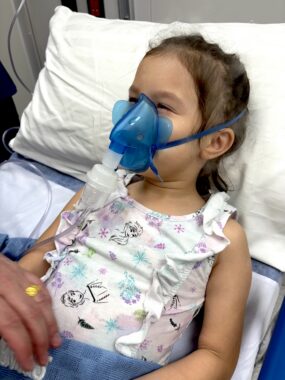
In 2024, Rylae-Ann receives nebulized medicine. (Photo by Richard E. Poulin III)
In November 2019, Rylae-Ann received gene therapy for AADC deficiency in Taiwan. The treatment transformed her developmental trajectory.
Over time, she learned to sit, crawl, walk, run, and participate in activities that once seemed unimaginable. Her strength, coordination, and independence improved tremendously. However, gene therapy did not eliminate every medical challenge.
Even after treatment, Rylae-Ann experienced serious respiratory infections, including RSV and pneumonia, that required additional stays in the intensive care unit.
By then, she was older and stronger. Instead of the acrylic enclosure, she could receive nebulized treatments through a face mask. A significant equipment upgrade, though I doubt she would give either experience a five-star review.
Her progress was undeniable, but these hospitalizations reminded us that developmental improvement and respiratory health do not necessarily follow the same timeline.
Our unexpected respiratory care routine
Following one of her hospitalizations, we returned home with instructions to continue respiratory care.
Our routine included using a syringe filled with saline to gently clear her nasal passages, followed by two prescribed inhalers.
At first, we saw these treatments as temporary measures to help her recover. However, over time, we began noticing something interesting. Rylae-Ann seemed to benefit from consistent respiratory care, especially when congestion or wheezing appeared.
Although she has never been diagnosed with asthma, aspects of her physician-directed treatment plan resemble the respiratory management routines used by some children with asthma.
That distinction is important. Wheezing does not automatically mean asthma, and inhalers are not appropriate for every respiratory condition. Nevertheless, we have learned to recognize her particular warning signs.
When we hear wheezing, notice increased congestion, or detect unusual breathing sounds while she sleeps, we pay attention immediately. Rather than waiting for symptoms to worsen, we follow the care plan her medical team developed and seek medical attention when needed.
We also understand that home care has its limits. Labored breathing, persistent breathing difficulty, or changes in alertness require urgent medical assessment, not simply another round of inhalers.
The biggest difference today is that we no longer have to learn every warning sign for the first time. We have experience, a plan, and a much better understanding of our daughter’s respiratory needs.
Listening to the little things
For families raising children with AADC deficiency, respiratory health deserves continued attention, both before and after gene therapy.
Not every child will experience the same complications. However, hypotonia, swallowing difficulties, and problems clearing secretions can contribute to respiratory vulnerability, even as other abilities improve.
Our experience has taught us the importance of listening carefully, recognizing changes, and working with medical professionals to establish an individualized respiratory care plan.
Today, Rylae-Ann is healthier, stronger, and much more resilient. She still gets sick, especially now that she spends her days at school with other children. Apparently, sharing is caring, and elementary students are exceptionally generous with their germs. Thankfully, she recovers much more quickly than she did in the past.
We still hear the occasional snort, and it still makes us smile. The difference is that we now know when a funny sound is simply part of her personality and when it deserves a closer listen.
Note: AADC News is strictly a news and information website about the disease. It does not provide medical advice, diagnosis, or treatment. This content is not intended to be a substitute for professional medical advice, diagnosis, or treatment. Always seek the advice of your physician or other qualified health provider with any questions you may have regarding a medical condition. Never disregard professional medical advice or delay in seeking it because of something you have read on this website. The opinions expressed in this column are not those of AADC News or its parent company, Bionews, and are intended to spark discussion about issues pertaining to aromatic l-amino acid decarboxylase deficiency.

Leave a comment
Fill in the required fields to post. Your email address will not be published.