Collaboration to advance personalized ASO treatments for rare diseases
N-Lorem, Servier team up to develop tailored therapy options for patients
Written by |
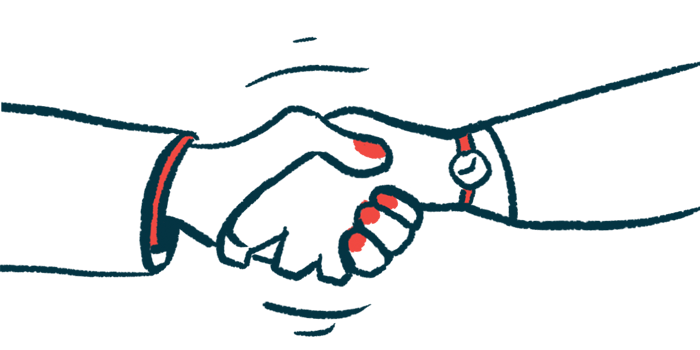




The N-Lorem Foundation has partnered with Servier to develop novel antisense oligonucleotide (ASO) therapeutic candidates for people with extremely rare neurodevelopmental disorders.
The collaboration aims to expand the number of patients with nano-rare neurological disorders that N-Lorem can treat. Under the agreement, N-Lorem will use its ASO technology platform to create preclinical candidates, while Servier will advance them into clinical development.
“We are proud to partner with N–Lorem, sharing the same commitment to advancing personalized ASOs and bringing meaningful therapies to people living with rare genetic neurological disorders who have few, if any, treatment options available today,” Nitza Thomasson, PhD, Servier’s global head of research and development of neurology, said in a company press release. “By combining N-Lorem’s pioneering expertise in antisense technology with Servier’s development capabilities, we aim at accelerating new approaches for patients who have been waiting for far too long.”

How ASOs target genetic mutations
ASOs can be designed to address specific genetic mutations causing rare or ultra-rare diseases, such as aromatic L-amino acid decarboxylase (AADC) deficiency.
AADC deficiency is caused by genetic mutations that disrupt the production or function of AADC, an enzyme involved in producing several neurotransmitters, or the molecules nerve cells use to communicate. A lack of functional AADC leads to reduced neurotransmitter levels and to disease symptoms, including developmental delay, movement disorders, and behavioral issues.
ASOs are short synthetic strands of genetic material designed to bind to specific messenger RNAs, the intermediate molecules needed for protein production. This technology enables rapid and inexpensive personalized treatments for genetic diseases.
The partnership also supports Servier’s goal of developing innovative treatments for people with rare neurological diseases for which there remains a significant unmet medical need.
“We welcome Servier to our growing list of supporters and partners and look forward to contributing to Servier’s commitment to patients with rare neurological disorders and to advancing ASO technology. This is truly a win, win for patients with rare diseases,” said Stanley T. Crooke, MD, PhD, N-Lorem’s founder, chairman, and CEO.
N-Lorem develops ASOs free of charge for people with extremely rare diseases caused by a single genetic defect. In recent updates, the foundation said it received more than 440 applications and has accepted more than 240 patients for potential treatment with personalized experimental ASOs. It has also treated more than 50 patients, including 26 for more than one year, six for over two years, and one for over three years.
Across more than 300 ASO doses delivered through several routes of administration, the treatments showed a good safety and tolerability profile, with no serious ASO-related adverse events reported, according to the foundation. Details from N-Lorem processes and characteristics of the first 329 patients who applied for treatment were recently published.


Leave a comment
Fill in the required fields to post. Your email address will not be published.